The Evolution of Georgian Era
The Georgian Period
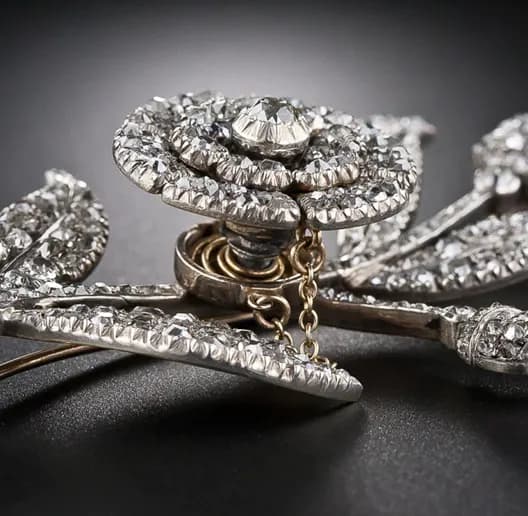
The Georgian period covered the reigns of five English kings, four named George and one William. The reigns of George I, II, III, IV, and William IV lasted from 1714 to 1837. Georgian refers to the English art, artefact and culture produced during this era. The jewellery in this era was inspired by historical events in France, Germany, and Italy also influenced Georgian jewellery motifs and designs.
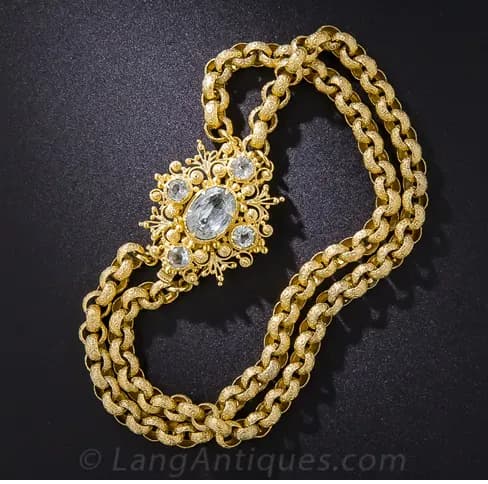
Three Periods of the Georgian Era
Early Georgian (1714-1760): Also known as the 'Georgian Rococo' era, this period saw the influence of Baroque and Rococo styles. Jewellery during this time was characterized by intricate and detailed designs, often featuring natural motifs such as flowers, leaves, and animals. Mid-Georgian (1760-1790): This 'Neoclassical' era was heavily influenced by classical Greek and Roman art. Jewellery designs were more symmetrical, with clean lines and geometric shapes. Popular motifs included cameos and intaglios carved from gemstones. Late Georgian or Regency (1790-1830): During this period, the focus was shifted to more romantic and sentimental designs. Jewellery often featured motifs like hearts, flowers, and bows. The use of seed pearls became popular, along with rose-cut diamonds and coloured gemstones like turquoise, coral, and pearls.
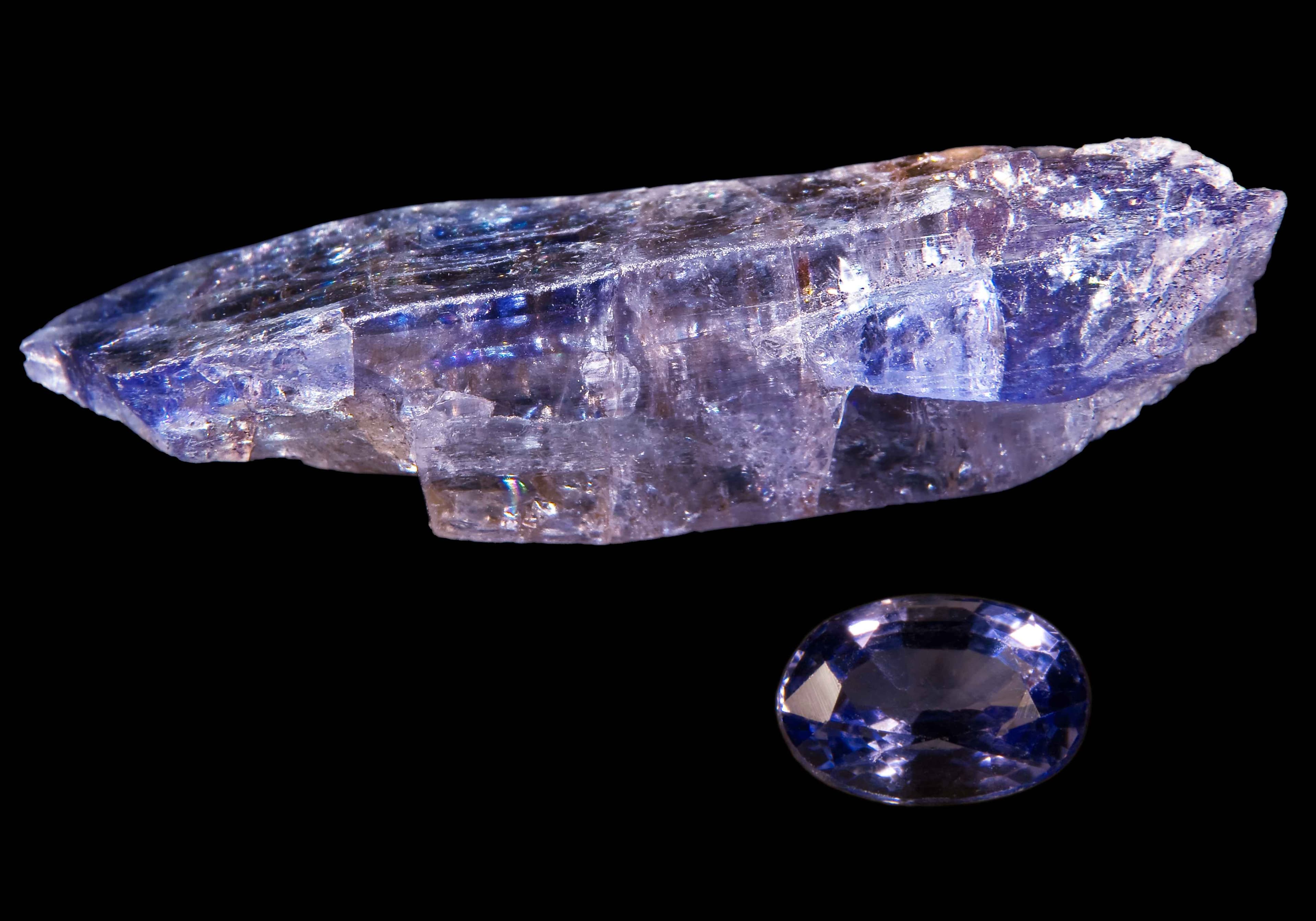
Tanzanite – The Rare Gemstone
This opulent earrings is a brilliant mix of the 3 different periods of the Georgian era. The precious stones are beautifully set in symmetrical pattern with the elements of nature. It is studded with lustrous uncut diamonds, fine cut diamonds and emeralds. Tanzanite, the stone is expected to be completely mined out in the next couple of decades, which further increases the rarity of the stone. The most loved feature of Tanzanite as a gemstone is the brilliant colour quality that it possesses.